

TLDR: It’s easy to move through life in a daze, even without touching a drop of alcohol. The Buddha called this the intoxication of life. Practising mindfulness of death helps lift that mental fog and bring purpose to our lives.
Important note: To keep things safe and clear, mindfulness of death is not about wanting death or harming yourself. It is a Buddhist practice of seeing life’s fragility so that we can live more skilfully. Please read this article only when you feel steady and grounded.
How I Became Aware of this “Intoxication”
I used to think that intoxication meant drunkenness. As long as I abstained from alcohol and drugs, I wasn’t intoxicated… right? After all, I feel pretty clear-headed on most days. But over time, I understood that the Buddha was actually referring to something more subtle.
The Buddha spoke about how we become intoxicated by our youth, our health, and our life itself (Delicate Sutta). When our days feel predictable, our body seems reliable, and our future looks long, it’s natural to think that life will continue in the same steady line. These feelings stem from deep-rooted views we hold about ourselves:
- “I’m so young. Still got plenty of time lah.”
- “I’m so healthy. Aiya, nothing bad will happen to me one lah.”
- “I won’t die anytime soon. Definitely not this year, not this week, and confirm not today!”
These views feel reassuring, but in fact cloud our judgment. Like being absorbed into an immersive video game, we get so engrossed in the play that we temporarily forget the wider reality behind the screen. Likewise, in life, we forget the bigger picture, the backdrop upon which this life rests.
Living in Singapore reinforces this forgetfulness. We are sheltered from war, natural disasters, and visible suffering. Cemeteries and crematoriums lie out of sight. Because external reminders of our mortality are rare, it becomes easy to forget that death is just around the corner.
Our safety is a great blessing, but also the very thing that lulls us into a false sense of security and fuels our intoxication with life.
Drawbacks of Intoxication
The suttas mention that intoxication with youth, health, and life leads to misconduct by body, speech, and mind (Themes Sutta). I was puzzled because most people I know are not harming others deliberately and generally choose to do good. But as I observed my days, I noticed that intoxication shows up in small ways:
- A careless tone
- Impatience with others
- Holding onto grudges
- Searching endlessly for pleasure
- Putting off meaningful actions because “there’s always time”
My youthful confidence made me conceited, in other words, yaya papaya. Deep down, I didn’t really believe that serious consequences could happen to me too. Feeling insulated from change, I was careless with my actions. I whiled away time on fruitless pursuits, and lost sight of the bigger picture of life.
The drawback of intoxication is not necessarily dramatic evil, but drifting along and wasting a life through complacency.
The Buddha’s Antidote: Remembering Death

The antidote the Buddha offered was simple: reflect on death often. It is not to frighten ourselves or to sink into dark thoughts, but to help us confront the impermanence of life. When I practise it properly, I find myself becoming more willing to keep the 5 precepts, keep the mind wholesome, meditate, and forgive readily. Because the heart finally understands that time is limited. Soon, I will move on to the next life, with nothing but this mind.
In the Mindfulness of Death Sutta, the Buddha advised monks to cultivate mindfulness of death (maraṇassati), explaining that this practice is very beneficial and culminates in freedom from death. (Isn’t that interesting? Thinking about death leads to the deathless!) He then outlined a three-step approach to the practice:
- Reflect on the fatal dangers that surround us
- Check for unwholesome qualities that would hinder our progress if we were to die tonight
- Practice abandoning these unwholesome qualities with the urgency of someone whose clothes or head are on fire
Essentially, he wants us to realise that death can happen to us anytime, and to use that to spur us to practice. Therefore, its purpose is not fear or morbid fascination, but to inspire wise urgency (saṃvega) in our spiritual practice.
Seen against the backdrop of saṃsāra (wandering on from life to life), when we realise how little might be left of our lives, it can motivate us to abandon our unwholesome qualities diligently. Death contemplation is not about ruminating on the end. With right understanding, it’s a skillful means to refocus our energies on the path.
How I Practise Death Contemplation Today
Keeping it simple
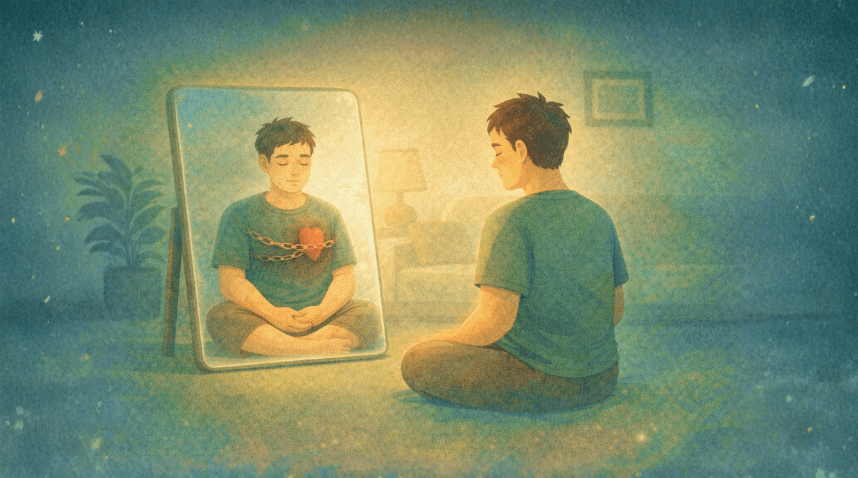
I sit quietly and bring to mind, “Life is uncertain, death is certain. Death is near, death is coming.” A few minutes is enough.
Staying grounded
I reflect on the everyday ways death could arrive — sickness, accidents, sudden turn of events. To remind myself that I may die anytime.
Checking my habits
I ask myself, what am I still carrying that does not serve the path? Resentment? Clinging? Conceit? This part requires the most honesty. In return, it offers the clearest view of the work of the heart ahead of me.
Using familiar language
In the Mindfulness of Death Sutta, the Buddha describes how a forest monk can undertake this contemplation using the three steps above. Here is a modern take, based on daily life in Singapore.
As the “uwu-uwu” calls of birds break the dawn in Singapore, one reflects:
“Actually I can die in so many ways hor? I might get into a car accident on the PIE, suffer from a heart attack, or fall into a longkang. I might choke on my nasi lemak, get deadly dengue fever, or get randomly attacked by dogs along the PCN. If I died from any of these, my opportunity for spiritual growth in this life habis sia…”
“Are there any unskillful qualities that I haven’t given up, which might be an obstacle to my progress if I die tonight? Like, am I still holding onto resentment towards that person who keeps criticising me? Or am I clinging too much to my family?”
“Wah, still burning with greed, hatred, and delusion. I think I better meditate tonight…”
When to Pause the Practice
If contemplating death brings up excessive anxiety, perhaps it’s better to set it aside for now. Instead, turn towards practices such as dāna (giving), sīla (virtue), mettā (goodwill), and faith that uplift and stabilise the mind. I found that when the mind is at ease, insight-related practices like death contemplation will feel much more manageable. It took me a long time to build up enough faith and understanding before feeling ready to recollect death. Through that process, I learnt that the right practice for us will lead to greater peace and not distress.
Closing Reflection
These days, when I allow mindfulness of death into my day, even briefly, I find that my heart softens a little. I become a little more accepting, more forgiving, more able to say “it’s ok lah, never mind,” and more willing to practise while the conditions are still good.
The Buddha did not ask us to fear death. He taught us not to waste the time we have before it arrives.
In doing so, we move closer to the ultimate goal: liberation from the entire cycle of re-deaths and realisation of the deathless, Nibbāna.
Further Learning
Ajahn Sona – Mindfulness of Death
Ajahn Kalyano – Role of Samvega
Terminal cancer patient: ‘I’m preparing for my next life by doing good’
Acknowledgements
Thank you Heng Xuan for framing this article and penning the memorable title.
Wise Steps
- Try the following when your mind is at ease
- Regularly reflect on the Five Subjects for Daily Recollection
- Refer to Mindfulness of Death Sutta to write your personal script that makes the imminence of your death feel real
