TLDR: The Buddha’s teaching in uncertain times can help us face Singapore’s elections with mindfulness. Avoid greed, hatred, and delusion, and use compassion and ethical principles to make thoughtful voting choices.
Election season in Singapore is here again—a time of passionate debates, promises of change, and tough choices. Whether you’re scrolling through political news, attending rallies, or discussing policies over kopi, it can feel overwhelming.
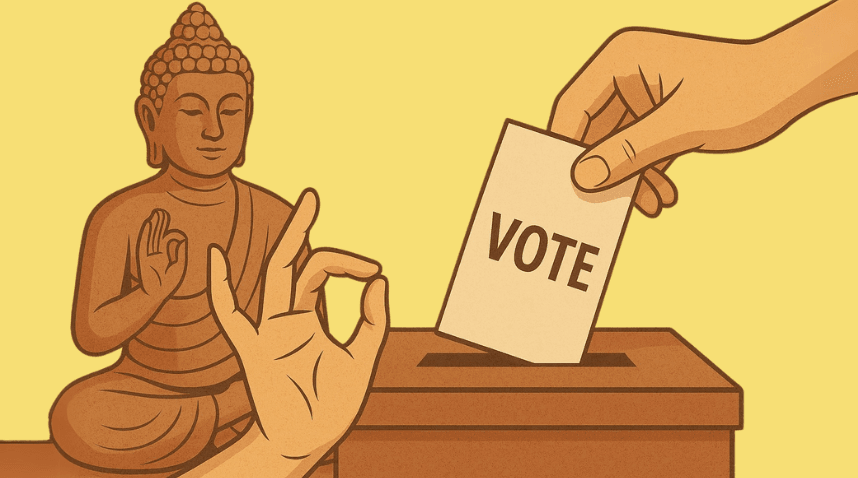
But what if we approached this pivotal moment with a little more mindfulness and wisdom? Buddhist teachings offer timeless insights that can help us navigate elections—not just as voters, but as thoughtful participants in shaping our society.
From the Buddha’s advice to kings on ethical governance to the dangers of greed, hatred, and delusion, and even the Eightfold Path as a practical framework, here’s how Buddhist principles can guide us through the noise and intensity of the election season.
What Would the Buddha Say About Leadership?
Believe it or not, the Buddha had plenty to say about governance. He wasn’t just a spiritual teacher; he often advised kings and rulers on how to lead with fairness and compassion.
In the Cakkavatti Sihanada Sutta, he described the qualities of a righteous leader—someone who protects their people, ensures justice, and governs with generosity.
“Provide just protection and security for your court, troops, aristocrats, vassals, brahmins and householders, people of town and country, ascetics and brahmins, beasts and birds. Do not let injustice prevail in the realm. Provide money to the penniless in the realm.” – Cakkavatti Sihanada Sutta
Imagine a leader who prioritizes the welfare of everyone equally, from hawkers to CEOs. That’s governance rooted in Dhamma.
The contemporary Buddhist scholars also identified the Dasarājadhamma—the Ten Royal Virtues—which include generosity (dāna), non-hatred (akkodha), honesty (ajjava), and patience (khanti).
These virtues aren’t just for kings; they’re qualities we can look for in candidates today.
Are they fair? Do they promote unity? Do their policies reflect compassion for all Singaporeans?
Greed, Hatred, and Delusion: The Three Poisons of Politics

Let’s be real—elections can bring out the best and worst in people. Campaigns are full of promises (some realistic, some not), fiery speeches, and sometimes even mudslinging.
Buddhist teachings warn us about three poisons that can cloud our judgment: greed (lobha), hatred (dosa), and delusion (moha). These are especially relevant during elections:
- Greed: Ever been tempted by flashy promises that sound too good to be true? Maybe it’s time to pause and ask: “Does this benefit everyone or just me?” Reading manifestos or political speeches can rile up the greed in us. Treading carefully can help us keep our minds in the middle.
- Hatred: Elections often stir emotions—us versus them, heated arguments on social media. But is divisive rhetoric really helping anyone? Choosing leaders who promote unity over polarization might be wiser. If consuming too much GE news stirs up anger, it might be good to set that aside for the time being and go back to wholesome activities.
- Delusion: Charisma is great, but it’s not everything. Instead of being dazzled by personality, take a closer look at policies and track records. Are they walking the talk? Are you starting to close in on one single view of some candidates/parties? Are you open to others’ perspectives or just your own? Are you agitated when people poke fun/ask deeper questions about your favourite party/candidate?
Sutta Snapshots: The Buddha’s Wisdom on Governance
The Buddha didn’t shy away from talking about societal responsibility. In the Mahaparinibbana Sutta, he praised the Vajjians for their democratic practices—regular assemblies, mutual respect among citizens, and shared decision-making.
Sounds like a pretty solid model for participatory governance in Singapore too!
And then there’s the Kutadanta Sutta, where he advocated addressing economic inequality as a way to reduce crime—a lesson for policymakers crafting solutions for housing affordability or income disparity here at home.
“Let the king provide seed and fodder for those in the realm who work in growing crops and raising cattle. The king should spend his own resources to support his citizens in the various occupations. Let the king provide funding for those who work in trade. Let the king guarantee food and wages for those in government service. Then the people, occupied with their own work, will not harass the realm.”– Kutadanta Sutta
A Cheat Sheet for Mindful Voting
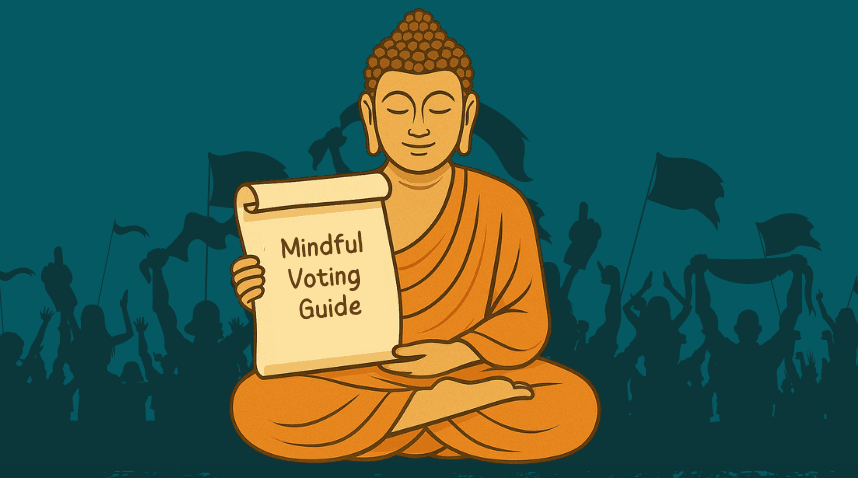
Borrowing some elements from the corpus of Buddhist teachings that can help us think through before the vote:
- Remember that power is impermanent. Focus on policies that create long-term benefits rather than short-term fixes.
- Vote with compassion and wisdom—not out of anger or prejudice.
- Avoid gossiping about candidates or spreading misinformation online (yes, even in WhatsApp family chats).
- Make your vote count by participating responsibly
- Support leaders whose policies encourage ethical industries and sustainable growth.
- Stay informed without letting political drama consume you.
- Reflect on your values before making decisions—don’t rush it.
- Focus on what truly matters—the collective good—not sensational headlines.
Imagine approaching election day like a mindfulness practice—calmly weighing your options instead of reacting impulsively.
How Can We Bring Wisdom Into Our Ballot Box?
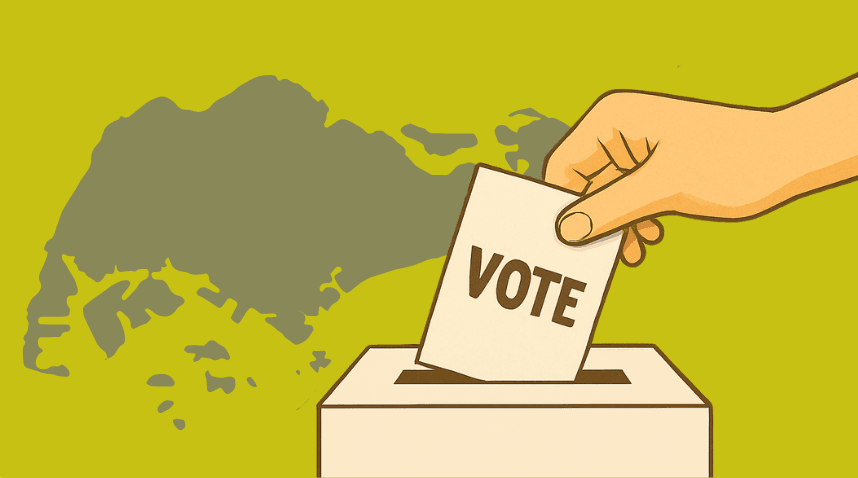
Elections don’t have to feel like a battlefield; they can be an opportunity to practice mindfulness and compassion as citizens. Here are some ways Buddhist principles can inspire us:
- For Voters: Instead of focusing solely on personal gain (like tax rebates or subsidies), consider policies that benefit everyone—including vulnerable groups like seniors or low-income families.
- For Leaders: Lead with humility and integrity. The Buddha taught that leadership is service—not power—and that true progress comes from unity rather than division.
- For Everyone: Engage in discussions with kindness—even when opinions differ—and avoid contributing to negativity online or offline.
A Discerning Election Journey
At its heart, voting is more than just ticking a box- it’s a chance to co-create a future rooted in fairness, compassion, and wisdom.
So as you head to the polls this year, take inspiration from Buddhist teachings: leadership isn’t about power but service; governance isn’t about authority but righteousness; progress isn’t about division but unity. Let’s approach this election season not as a competition but as a shared journey toward collective well-being—for ourselves and generations to come.
May your choices reflect wisdom and compassion—and may Singapore continue to thrive as a nation built on harmony!
Wise Steps:
- Practice discerning on your vote: Reflect on candidates’ policies and track records rather than being swayed by charisma or sensational promises. Ask yourself: “Do these policies benefit everyone or just a select few?”
- Engage Positively: Avoid divisive rhetoric or spreading misinformation online. Instead, participate in discussions with kindness and openness to differing perspectives, fostering unity rather than conflict.
- Focus on the Bigger Picture: Consider long-term benefits for the nation rather than short-term fixes. Support leaders who prioritize equity, sustainability, and collective well-being over personal or partisan interests.