
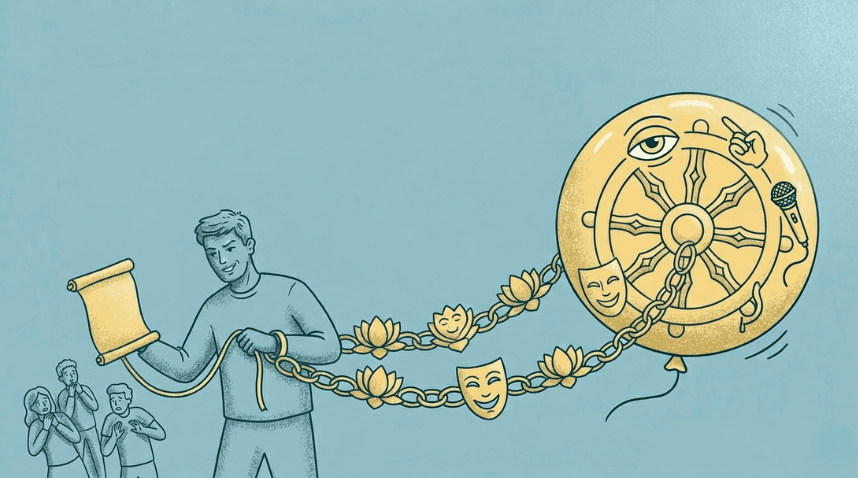
TLDR: Discovered the Dhamma and can’t stop quoting it at baby showers, dinners, and funerals? This tongue-in-cheek guide reveals how spiritual ego sneaks in and how to stay kind, grounded, and relatable while practising sincerely.
Congratulations on your spiritual growth in the Dhamma! Now that you’ve discovered the Dhamma, it’s time to make sure everyone else knows about it….especially at the worst possible moments. Here’s your guide to becoming that person nobody wants to invite anywhere anymore. (April Fools special)
The Birth Announcement Buzzkill

Your friend just had a baby. They’re glowing with joy, exhausted but happy, holding their newborn like it’s the most precious thing in the world. This is your moment.
What to say: “Well, birth is the cause of death, isn’t it? The First Noble Truth tells us life is suffering. Now you’ve brought another sentient being into samsara. Have you considered the karmic implications?”
The awkward aftermath: The room goes quiet. Aunty drops her phone. Someone coughs nervously. Your friend’s spouse suggests that maybe you have somewhere else to be.
The actual lesson: Yes, the Buddha taught about suffering and impermanence, but he also spoke about loving-kindness (metta). Understanding life’s challenges doesn’t mean ruining happy moments. True practice means holding both the reality of impermanence and the beauty of precious moments. Just say “Congratulations!” first. The deep conversations can wait.
The Attachment Free Dinner Guest
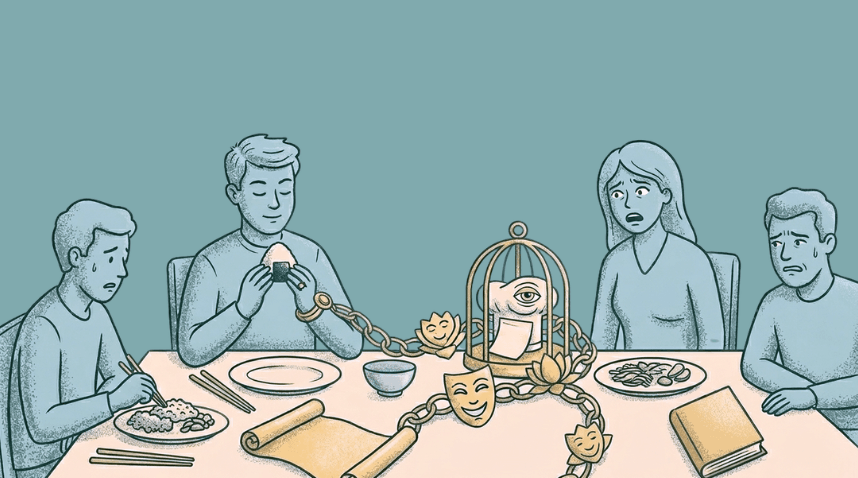
You’ve been invited to a dinner party where your friend spent six hours preparing their grandmother’s secret recipe. They’re beaming with pride.
What to say: “I’ve probably transcended attachment to taste. Everything is just fuel for this temporary body. There’s a monk who eats blindfolded to avoid sensory attachment, you know?”
The awkward aftermath: Your host stares at their lovingly prepared meal. Another guest quietly eats your portion. You’re somehow both sanctimonious and still helping yourself to seconds.
The actual lesson: The Middle Way isn’t about rejecting all pleasure. It’s about not being enslaved by it. The Buddha rejected extreme asceticism for a reason. Appreciating good food mindfully, acknowledging the effort and connection it represents, is perfectly fine. Try: “This is delicious, thank you for preparing it.”
The Meditation Flex
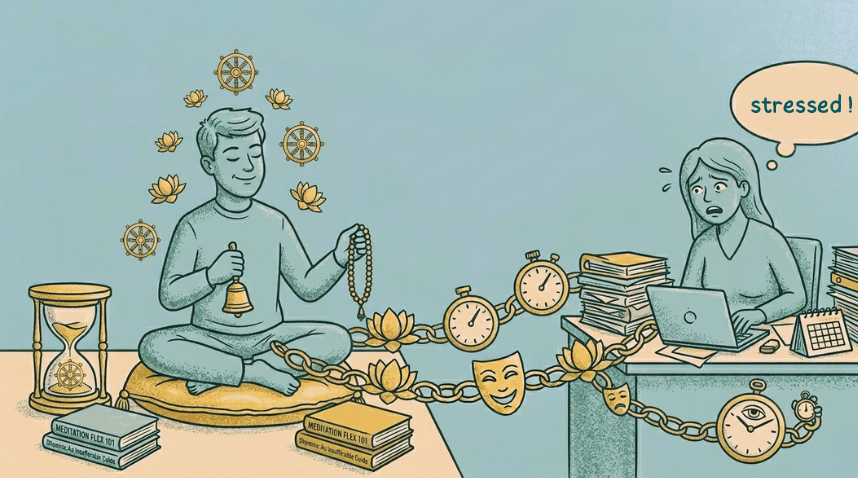
Someone mentions they’re stressed about work deadlines.
What to say: “I wouldn’t know about stress anymore. I meditate two hours daily….one hour in the morning, one at night. Working toward three hours now. My teacher says I’m progressing quite rapidly. Have you tried just… not being attached to outcomes?”
The awkward aftermath: Your friend now feels both stressed and inadequate. They’re definitely not calling you next time they need support.
The actual lesson: Meditation is a tool for growth, not a competitive sport. The Buddha’s teaching on Right Speech includes being helpful and timely. If someone’s drowning, you don’t lecture them about your swimming achievements, you help them. Share techniques if asked, but spiritual one-upmanship is just ego in different packaging.
The Impermanence Party Pooper

Your friend just got promoted or bought their first flat, or got engaged.
What to say: “That’s nice, but you know it won’t last. Everything is impermanent. Companies downsize, relationships end,and houses deteriorate. Clinging to these temporary conditions will only bring suffering.”
The awkward aftermath: The celebration ends abruptly. Your friend wonders if you were ever really their friend.
The actual lesson: Understanding impermanence should make us more present and grateful, not less. When we know flowers will fade, we treasure them more deeply while they bloom. The teaching on impermanence is meant to free us from anxiety, not to weaponise against joy. Rejoice in others’ happiness (mudita) while it’s here. That’s also part of practice.
The Kamma Accountant

Someone shares they’re going through a difficult time, like illness, job loss, or relationship trouble.
What to say: “Well, everything is kamma. You must have done something in a past life to deserve this. Have you reflected on what negative actions you might be reaping the consequences of?”
The awkward aftermath: You’ve just blamed someone who’s suffering for their suffering. They’re hurt, and rightly so. Congratulations, you’ve also created some questionable kamma yourself.
The actual lesson: Kamma is complex and not meant to be wielded as a judgment stick. The Buddha consistently emphasised compassion over cosmic scorekeeping. When people suffer, they need support, not blame. Even the Buddha didn’t always explain suffering through past actions. He cared for the sick monk nobody else would help. Practice compassion first, philosophical discussions later (or never).
The Ego Free Ego Trip
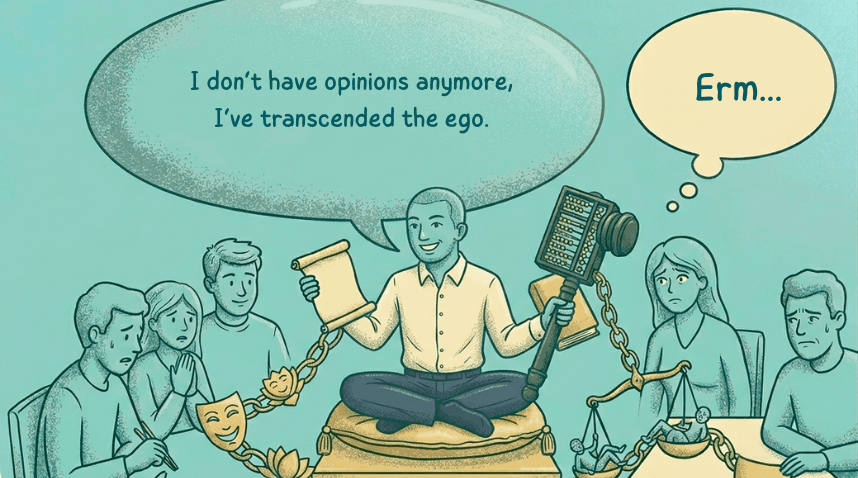
In any group discussion:
What to say: “I don’t have opinions anymore, I’ve transcended the ego. I simply observe without judgment, unlike you all who are trapped in your conceptual frameworks and dualistic thinking.”
The awkward aftermath: Everyone notices you seem awfully attached to being unattached. Your “egolessness” is the most egotistical thing in the room.
The actual lesson: Spiritual bypassing (using teachings to avoid genuine engagement or feel superior) is a trap. Real non-attachment includes not being attached to appearing enlightened. The most profound practitioners are often the most humble and ordinary. If you’re constantly announcing your transcendence, you haven’t transcended anything.
The Way Forward
Here’s what nobody tells you: being Buddhist (or practising Buddhism) shouldn’t make you insufferable. If it does, you’re doing something wrong.
The Buddha’s teaching was always practical and rooted in reducing suffering for yourself and others. If your practice makes you less kind, less present, less able to connect with people in their joy and sorrow, then somewhere along the way you’ve lost the plot.
Real practice looks like showing up for your friends. It looks like appropriate responses to situations. It means genuine warmth, not performative detachment. It means understanding when to share teachings and when to simply be human together.
So next time you’re tempted to drop a Dhamma bomb at a baby celebration, ask yourself: “Will this reduce suffering, or am I just trying to look enlightened?”
The answer might be the most important teaching of all.
Now go forth and be less annoying. Your friends will thank you.